
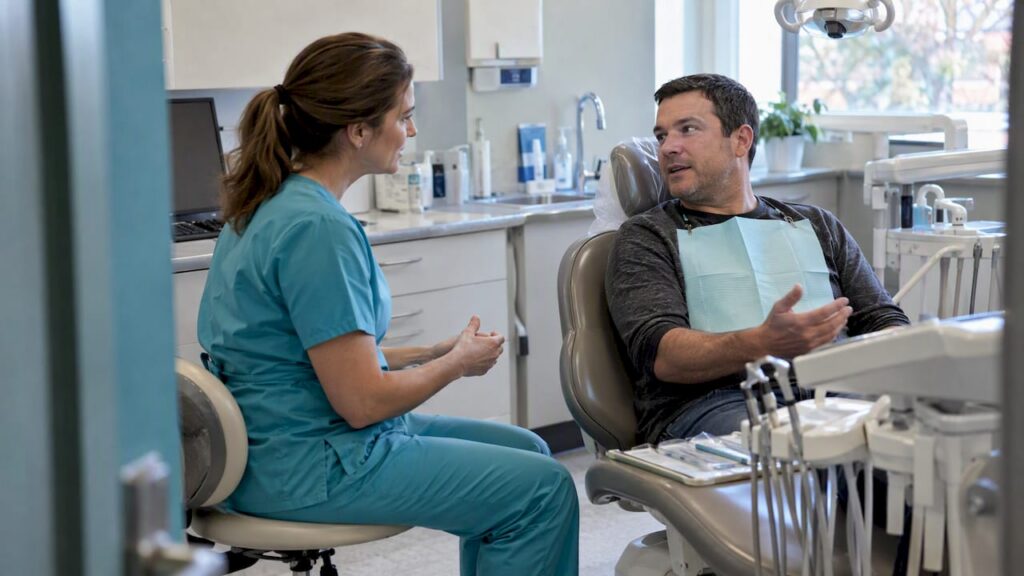
Dental anxiety sedation options generally fall into five categories: nitrous oxide, oral sedatives, IV sedation, general anesthesia, and local anesthesia for pain control. Mild nervousness usually calls for nitrous oxide or an oral sedative, while complex procedures or severe fear may call for IV sedation or general anesthesia. The right choice always depends on your medical history, anxiety level, and your dentist’s clinical judgment.
TL;DR:
- Nitrous oxide wears off quickly enough that most patients can drive home, while oral sedatives require a designated driver for about 24 hours.
- For oral or IV sedation, follow fasting instructions, commonly six to eight hours beforehand, and arrange a ride home because grogginess may last hours.
- Benzodiazepines can cause dangerous breathing problems when combined with opioids, alcohol, or other depressants, so disclose all medications, supplements, and recent alcohol use.
- ADA guidance calls for continuous pulse oximetry during moderate sedation, capnography during deeper sedation, dosing based on weight, and BMI among baseline vital signs.
- Dentists may refer patients with significant underlying health conditions to an anesthesiologist rather than sedating them in a general dental office.
Table of Contents
- Types of sedation: how each one feels and works
- How dentists decide which sedation level fits you
- Safety rules every patient should know before sedation
- Preparing for a sedated visit from start to finish
- How South Littleton Family Dental approaches anxious patients
- Dental anxiety is common, and sedation is a safety-driven tool
- Book a visit that works around your comfort level
- FAQ
- Sources
Types of sedation: how each one feels and works
Each sedation option changes how you experience a dental visit, and the differences come down to speed, depth, and recovery time.
- Nitrous oxide (laughing gas) is inhaled through a mask, takes effect in minutes, and wears off almost as quickly once the mask comes off, so most patients can drive themselves home afterward, according to Cleveland Clinic.
- Oral sedatives, often a benzodiazepine taken before the appointment, produce a drowsy, relaxed state, but the onset and intensity can vary from person to person, and you will need someone to drive you for about 24 hours afterward.
- IV sedation delivers medication directly into the bloodstream, which lets the dental team adjust the dose in real time for deeper, more controlled sedation during longer or more invasive work.
- General anesthesia puts you completely unconscious and is reserved for extensive procedures or patients who cannot tolerate treatment any other way, and it requires a trained anesthesia team.
- Local anesthesia numbs the specific treatment area and is used in almost every procedure regardless of what other sedation is added, since it handles pain while sedation handles anxiety.
Nitrous oxide suits short, straightforward procedures and mild nervousness. Oral sedation fits moderate anxiety or longer appointments where a deeper sense of calm is needed. IV sedation and general anesthesia are typically reserved for severe anxiety, extensive surgical work, or patients with conditions that make lighter sedation impractical. You can read more about how local anesthetic is applied and monitored before a procedure begins.
How dentists decide which sedation level fits you
Choosing a sedation approach is rarely a simple menu pick. Dentists weigh several factors together before recommending an option.
- Anxiety severity and past experiences shape whether mild relaxation or deeper sedation is appropriate.
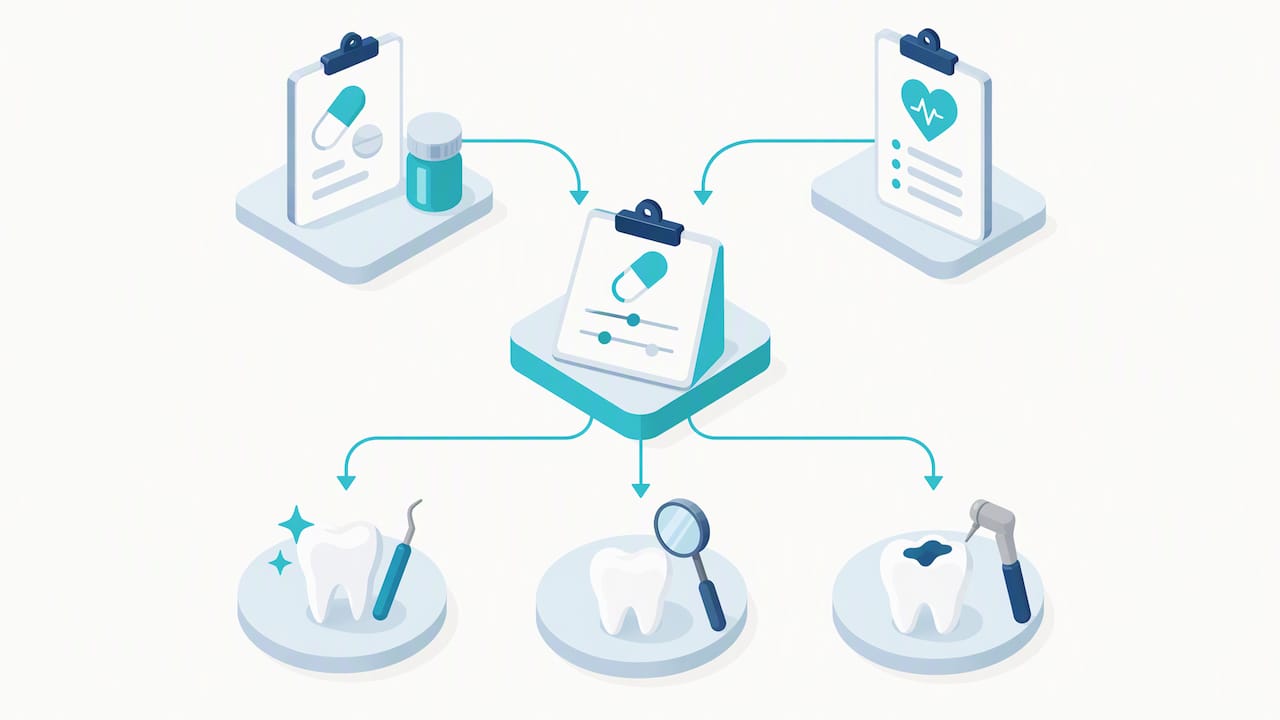
- Medical history and current medications matter because certain conditions or drug combinations change what is safe.
- Body weight, BMI, and sleep apnea risk factor into dosing and airway monitoring decisions, a point the American Dental Association’s 2026 update now emphasizes directly.
- Age plays a role too. For children, Cochrane-reviewed evidence suggests oral midazolam can improve cooperation during dental treatment compared with no sedative, though the trials behind this finding were varied and the certainty is moderate rather than definitive.
- Procedure complexity determines whether nitrous oxide is enough or whether IV sedation or general anesthesia makes more sense.
A patient classified under a higher ASA (American Society of Anesthesiologists) physical status, meaning more significant underlying health issues, may be referred to an anesthesiologist rather than sedated in a general dental office. These decisions are clinical, not optional add-ons, which is why a thorough intake conversation always precedes sedation.
Safety rules every patient should know before sedation
Sedation is generally safe when protocols are followed, but a few safety facts deserve your full attention before any appointment.
- The FDA requires a boxed warning on benzodiazepines because combining them with opioids, alcohol, or other central nervous system depressants can cause profound sedation, slowed breathing, or worse. Always disclose every medication, supplement, and recent alcohol use to your dental team.
- Moderate sedation requires continuous pulse oximetry, and deeper sedation requires capnography as well, standards reinforced by the ADA’s 2026 guideline update.
- The ADA’s 2026 guidance also calls for weight-based dosing, BMI included in baseline vitals, and supplemental oxygen from moderate sedation through general anesthesia, according to the ADA.
- Watch for signs like unusual drowsiness, slurred speech, or breathing changes after oral or IV sedation, and tell staff immediately if something feels off.
Combining nitrous oxide with low-dose midazolam has been shown in a systematic review to reduce the midazolam dose needed and shorten recovery time, which is one reason dentists sometimes pair the two rather than relying on oral sedation alone.
Preparing for a sedated visit from start to finish
Good preparation reduces both medical risk and the anxiety that sedation is meant to ease in the first place.
- List every medication and supplement you take, including over-the-counter drugs, and bring it to your consultation.
- Follow the fasting window your dentist gives you, commonly six to eight hours before oral or IV sedation, since food in your stomach raises the risk of nausea.
- Arrange a ride home in advance if you are receiving anything beyond nitrous oxide, since driving yourself is not safe afterward.
- Ask about the monitoring equipment and staff training your provider uses during sedation, a reasonable question given current ADA guidance.
- Plan for a quiet rest of the day after oral or IV sedation, since grogginess can linger for several hours.
During the appointment, expect continuous monitoring of your vital signs, local anesthesia for pain control at the treatment site, and a team that checks in with you throughout. Afterward, recovery from nitrous oxide is typically immediate, while oral and IV sedation call for rest and supervision for the remainder of the day.
Pro Tip: Bring headphones and a playlist to your appointment: a simple distraction can lower the perceived intensity of sound and vibration even when sedation is mild.
If anxiety itself is the bigger obstacle, gradual exposure to the dental setting and cognitive behavioral strategies can work alongside sedation rather than replacing it. One resource worth a look is this partner guide on dentist anxiety and CBT-style coping tools, which pairs practical exercises with the kind of fear more than seven in ten adults report in some form.
How South Littleton Family Dental approaches anxious patients
We build sedation-aware care around each patient’s actual history rather than a one-size-fits-all script. Before any appointment involving sedation, we review your full medication list and health history so the plan fits your body, not just your procedure. Our general dentistry services are structured so routine cleanings, exams, and restorative work can incorporate the sedation level that matches your comfort needs.
For patients who put off care out of fear until a problem becomes urgent, our same-day emergency dentistry gives you a fast way back into the chair without a long wait that lets anxiety build. We also keep entry points affordable with occasional promotional new patient offers, so cost is one less reason to delay treatment you need.
Dental anxiety is common, and sedation is a safety-driven tool
Fear of the dentist is widespread, not a personal failing, and sedation exists because dental teams recognize that avoidance often leads to worse outcomes than the visit itself. The safest sedation experiences happen when patients disclose everything, from medications to past reactions, and when the dental team follows established monitoring protocols rather than treating sedation as a convenience. If you are weighing your options, ask your dentist directly what their sedation protocols are and how they decide what fits your case. A good answer should sound specific, not generic.
— Admin
Book a visit that works around your comfort level
We offer sedation-aware general dentistry, same-day emergency care, and individualized treatment plans so your anxiety is part of the conversation from the first call, not an afterthought. Whether you need a routine cleaning or urgent relief from pain, our general dentistry and emergency dentistry pages outline what to expect.

- Call or book online to start with a consultation where we review your health history and concerns.
- Bring your current medication list and any past sedation experiences to your first visit.
- Ask about our new patient offers, which can make that first step more affordable.
Reach out through our new patient special page to get started on a plan built around what actually helps you stay calm in the chair.
This article is general information, not a substitute for advice from a qualified doctor. Consult a qualified healthcare professional about your own circumstances before acting on anything here.
FAQ
Can diazepam be used to treat dental anxiety?
Yes, diazepam is one of the benzodiazepines dentists sometimes prescribe as an oral sedative before a procedure to reduce anxiety. It carries the same FDA boxed warning as other benzodiazepines regarding dangerous interactions with opioids and alcohol, so full medication disclosure is essential before it is prescribed.
Can I wear headphones at the dentist?
Most dental practices allow headphones during routine procedures, since they help distract from sound and vibration without interfering with care. Check with your dental team beforehand, especially if you are also receiving sedation, so staff can still communicate instructions clearly.
Is fear of the dentist common?
Yes, dental fear affects a substantial share of adults, and it is a recognized reason many people delay routine care. Sedation options exist specifically to make treatment manageable for people with this kind of anxiety rather than asking them to push through it.
How should I prepare for a dentist appointment?
Preparation includes listing your current medications, following any fasting instructions if sedation is planned, and arranging a ride home if you will receive oral or IV sedation. It also helps to write down your specific concerns so you can raise them with your dentist before treatment begins.
Sources
- FDA: Requiring boxed warning and updated Medication Guide to improve safe use of benzodiazepine drug class
- ADA releases updated sedation and anesthesia guidelines
- Cochrane/systematic review evidence on pediatric sedation (midazolam)
- Sedation dentistry — Cleveland Clinic
- Systematic review/meta-analysis on nitrous oxide and midazolam combination