
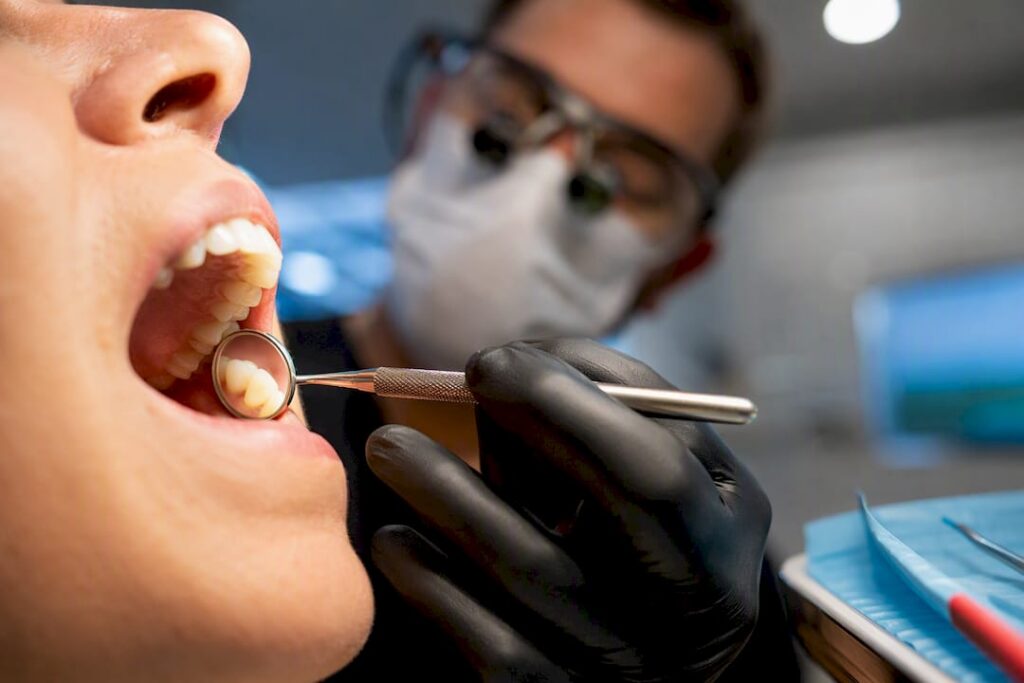
Treat your temporary crown like a loaner car: drive it gently, keep it clean, and don’t push it past its limits. Avoid chewing on that tooth, skip anything sticky or hard, and brush and floss carefully around it. Expect it to stay in place for roughly 2 to 3 weeks, with mild soreness being normal for a few days. Call your dentist right away if you feel severe pain, notice swelling, or the crown comes off.
TL;DR:
- Temporary crowns typically last 2 to 3 weeks and are more vulnerable to loosening or cracking due to their weaker cement and material.
- Gentle brushing with a soft toothbrush and sideways flossing are essential to prevent dislodging the crown, especially avoiding sticky, hard, or extreme temperature foods.
- If the crown feels loose or falls off, rinse it gently, store it safely, and temporarily reseat it with pharmacy-grade cement or petroleum jelly until you see your dentist.
- Severe pain, swelling, fever, or a high bite indicate urgent issues that require immediate dental evaluation beyond routine care.
- Keep home supplies like temporary cement, orthodontic wax, and saltwater rinse to manage minor issues until professional treatment is available.
Table of Contents
- Daily Temporary Crown Care: Brushing, Flossing, and Rinsing
- Foods and Habits That Loosen a Temporary Crown
- What to Do if Your Temporary Crown Feels Loose or Falls Off
- Normal Symptoms vs. Signs You Need to Call the Dentist
- Home Supplies Worth Keeping Until Your Next Visit
- What a Caring Dental Practice Recommends
- A Note From Our Team
- Get Same-Day Help for Your Temporary Crown
- Sources
Daily Temporary Crown Care: Brushing, Flossing, and Rinsing
Good temporary crown care starts with a lighter touch than you’re used to. Your temporary is glued in with a weaker cement on purpose, so your dentist can remove it easily when the permanent crown is ready. That same feature makes it vulnerable to your toothbrush and floss.
Brush twice a day with a soft-bristled toothbrush, angled about 45 degrees toward the gumline, and use gentle, small circles rather than a hard back-and-forth scrub. Pressing too hard near the crown’s edge is one of the most common ways people accidentally work it loose.
Flossing needs a small technique change. Instead of snapping the floss down between your teeth and pulling it back up, slide it out sideways once you’ve cleaned the space. Pulling upward can catch the edge of the crown and pop it right off, according to Healthline’s guidance on temporary crown care. A water flosser on a low setting can work well too, but ask your dentist before using one if you’re not sure.
Skip alcohol-based mouthwash for now. It can dry out the tissue around the crown and irritate any lingering sensitivity. A warm saltwater rinse is the better choice, and it’s genuinely soothing.
- Mix 1 teaspoon of salt into 1 cup of warm water.
- Swish gently for 30 seconds, 3 to 4 times a day.
- Use a fluoride, desensitizing toothpaste if cold or hot foods are bothering you.
Pro Tip: Brush the crowned tooth last, after the rest of your mouth, so you’re not tempted to scrub hard out of habit before you’ve mentally slowed down.
Foods and Habits That Loosen a Temporary Crown
Temporary crowns fail for one of two reasons: something sticky pulls them off, or something hard cracks them. Both are avoidable with a few weeks of careful eating.
Steer clear of:
- Chewy candy, taffy, and gum
- Ice, hard candy, and nuts
- Crusty bread and raw carrots
- Corn on the cob and popcorn
- Tough, chewy cuts of meat
Extreme temperatures matter too. Very hot or very cold foods can aggravate a tooth that’s already a little sensitive from the crown prep, and repeated temperature swings can stress the cement bond over time.
Cut food into smaller pieces, lean on soft proteins like fish or scrambled eggs, and stick to cooked vegetables instead of raw ones. Chew on the opposite side of your mouth whenever you can. If you grind your teeth at night, mention it at your next visit. A temporary crown and bruxism are a rough combination, and a simple nightguard can prevent a late-night phone call to your dentist’s after-hours line.

What to Do if Your Temporary Crown Feels Loose or Falls Off
A temporary crown typically lasts about 2 to 3 weeks because it’s made of acrylic or composite resin and held in place with cement that’s designed to let go easily. That means a temporary crown coming off before your next appointment isn’t rare. It also isn’t an emergency by itself, as long as you handle it correctly.
- Retrieve the crown and rinse it gently under warm water. Don’t scrub it or use anything abrasive.
- Store it somewhere clean and dry, like a small container or a folded tissue. Do not swallow it or throw it away.
- Rinse your mouth with warm saltwater to clear away any food debris or cement residue.
- If the tooth feels sensitive, you can try a short-term re-seat: a pea-sized dab of pharmacy-grade temporary dental cement or denture adhesive, or a thin layer of petroleum jelly if you want something less permanent, according to Dentistry. These are stopgaps, not fixes.
- If the crown is cracked, has a sharp edge, or won’t seat properly, don’t force it. Cover the exposed tooth with orthodontic wax and call your dentist.
One detail worth remembering: a temporary crown is intentionally the weaker link in the chain, so a fall off usually means the system worked exactly as designed. Severe pain, facial swelling, or fever are different. Those warrant an urgent, same-day evaluation rather than waiting until the next business day.
Normal Symptoms vs. Signs You Need to Call the Dentist
Some discomfort after getting a temporary crown is expected. Mild soreness, brief sensitivity to hot or cold, and a bit of gum tenderness around the tooth usually fade within 1 to 3 days as your mouth adjusts.
Certain symptoms cross the line from “normal” to “call now”:
- Throbbing pain that gets worse instead of better
- Sensitivity that hasn’t improved after a full week
- Visible swelling, especially if it spreads toward your jaw or face
- Fever or any sign of pus near the gumline
- A bite that feels noticeably “high” or off when you close your mouth
These can point to inflammation, an underlying infection, or a crown that’s sitting a little too tall, and they need a professional look rather than a wait-and-see approach, according to Medical News Today. When you call your dental office, be ready to describe when the symptom started, how bad the pain is on a simple scale, and whether the crown is still in place and intact. If it happens after hours and the discomfort is mild, a temporary re-seat and some saltwater rinsing can hold you over. Severe signs still mean urgent care, not the morning shift.
Home Supplies Worth Keeping Until Your Next Visit
A small kit at home can turn a stressful moment into a manageable one. Temporary dental cement and denture adhesive are both sold at most pharmacies, and applying a pea-sized amount to reseat a crown is a reasonable short-term measure while you wait for an appointment, per the guidance from Dentistry.com.
Orthodontic wax is worth having too. Press a small piece over a sharp or broken edge to protect your cheek and tongue until a dentist can look at it, since rough edges left alone can cause real irritation, according to Acibadem’s patient guide.
- Pharmacy temporary cement or denture adhesive (pea-sized amount only)
- Orthodontic wax for sharp edges
- Salt and warm water for rinsing, 1 teaspoon to 1 cup
- Petroleum jelly as a milder, less secure option
Pro Tip: Never reach for household glue or super glue. It’s not formulated for the mouth, it can damage the tooth underneath, and it makes it much harder for your dentist to remove the crown safely later.
What a Caring Dental Practice Recommends
If a temporary crown keeps coming loose, causes lasting pain, or cracks before your next visit, that’s exactly the kind of issue a same-day emergency exam is built for. Some dental practices offer re-cementing, urgent evaluations, and individualized care plans to help resolve temporary crown issues promptly. At a re-cementing visit, expect a quick check of the tooth and bite, a clean and dry reseat, and a look at whether your timeline for the permanent crown needs adjusting. Persistent pain deserves a call, not a guess.
A Note From Our Team
We know a wobbly or missing temporary crown feels alarming, especially at night or over a weekend. You’re not overreacting, and you’re not stuck waiting it out alone. Call us for same-day help, and bring the crown with you, even in pieces, so we can get you sorted quickly.
— Admin
Get Same-Day Help for Your Temporary Crown
South Littleton Family Dental gives you a faster path than waiting out a wobbly crown until your next scheduled appointment. If your temporary crown cracks, falls off, or starts causing real pain, our office in Littleton, CO reserves time for same-day emergency exams instead of pushing you to the next available slot weeks out. That matters most in the exact situation this article covers: a crown problem that can’t safely wait.

Our team handles re-cementing, adjusts a crown that’s sitting too high, and builds an individualized plan if your permanent crown timeline needs to shift. If you’re dealing with lingering swelling or a tooth that feels off, our restorative dentistry services cover what comes next, including cases where deeper issues need addressing. Call our office today or book online to get seen fast. If cost is a concern, it’s worth checking your dental coverage options before your visit.
This article is general information, not a substitute for advice from a qualified doctor. Consult a qualified healthcare professional about your own circumstances before acting on anything here.
Sources
- What to Know About a Temporary Dental Crown — WebMD
- Dentistry
- How to care for a temporary crown — Healthline
- Temporary crown — Medical News Today