
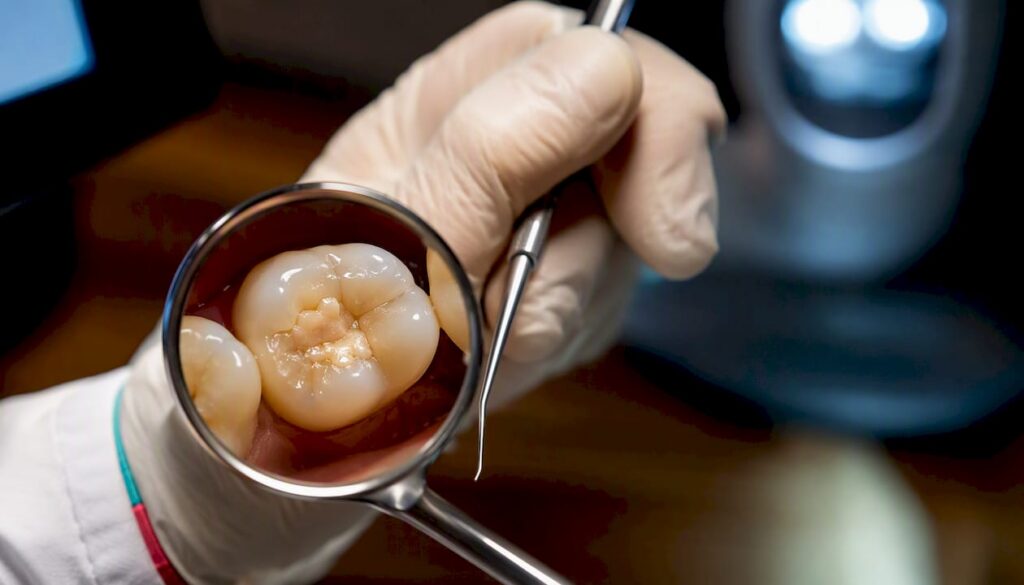
Replace an old filling only when there’s clear diagnostic evidence behind it: new decay, a lost seal, a crack, or genuine pain. If a filling shows no such damage, both the FDA and the American Dental Association advise against removing it, especially amalgam pulled solely over mercury worries or its dark color. The right first step is always an exam with x-rays, not a decision made from a mirror.
TL;DR:
- Fillings should only be replaced when diagnostic evidence shows decay, a crack, or a lost seal, not just for aging or cosmetic reasons.
- X-rays and clinical exams are essential to detect secondary decay or structural failure beneath the surface, which may occur years after placement.
- Amalgam fillings last an average of 15 years, while composite fillings typically last about 9 years, though durability depends on location and care.
- Large decay or multiple fractured cusps generally require crowns or onlays, especially if nerve involvement or infection signs are present.
- Replacing an intact amalgam solely for mercury exposure or aesthetics is discouraged by the FDA and ADA, emphasizing conservative, evidence-based decision making.
Table of Contents
- Signs You Need New Fillings
- What Happens During Filling Replacement?
- Amalgam, Composite, or Something Else? Comparing Filling Materials
- When Does a Filling Need a Crown or Root Canal Instead?
- What the FDA and ADA Actually Say About Replacing Fillings
- Choosing a Dentist for Filling Replacement
- How Long Does Recovery Take After a Filling Is Replaced?
- What Does It Cost to Replace a Filling, and Will Insurance Cover It?
- Keeping a New Filling Working for Years, Not Months
- A Conservative, Evidence-Informed Take on Filling Replacement
- How South Littleton Family Dental Approaches Filling Replacement
- Sources
- FAQ
Signs You Need New Fillings
Pain patterns tell you more than looks do. Sharp pain when you bite down, a jolt from hot coffee or ice water, or an ache that lingers after the trigger is gone all point toward a filling that’s failing underneath, even when the surface looks fine.
Visual and clinical clues matter too, and your dentist will check for several during a routine exam:
- A chip, crack, or visibly worn edge on the restoration itself
- Dark staining or a shadow at the margin where filling meets tooth, often a sign of a leaking seal, as explained in detail in Grijze of doffe tanden: oorzaken en wat helpt | Polarsmile
- Food that keeps catching in the same spot after flossing
- Marginal breakdown an explorer tip can catch, even when nothing looks wrong to you
X-rays catch what eyes cannot. Secondary decay frequently develops underneath a restoration long before it causes pain, which is why bitewing films during checkups matter more than how a filling looks in a bathroom mirror. One retrospective analysis found that clinicians who replaced fillings did so based on documented decay or structural failure, not the calendar. The average amalgam filling in that study lasted about 15 years before replacement, versus roughly 9 years for composite, though plenty of both last well beyond those averages.
Sharp bite pain, visible swelling, or a bad taste from a possible abscess are urgent. Cosmetic darkening of an otherwise sound filling is not, and it can usually wait for your next scheduled visit.
What Happens During Filling Replacement?
The appointment follows a predictable sequence, and knowing it in advance takes most of the anxiety out of it.
- Exam and imaging. Your dentist checks the suspect tooth, reviews bitewing or periapical x-rays, and assesses your overall cavity risk before recommending anything.
- Anesthesia. Local numbing goes in around the tooth, the same as for a first-time filling.
- Removal. The old material comes out, along with any decayed tooth structure underneath it.
- The repair-or-replace decision. If the defect is small and isolated, your dentist may bond a patch to the existing filling instead of removing the whole thing. That approach saves healthy tooth structure whenever it’s a clinically sound option.
- Placement. New material goes in, whether that’s composite, amalgam, or, for larger defects, an impression or same-day CAD/CAM scan for an onlay or crown.
- Finishing. The restoration gets polished and your bite gets checked so nothing feels high or uneven.
Numbness typically wears off within a few hours, and mild sensitivity to temperature or pressure for a few days afterward is normal. Avoid chewing on that side until the numbness fully passes so you don’t accidentally bite your cheek or tongue. Call your dentist if pain worsens instead of fading, or if you notice swelling.
Amalgam, Composite, or Something Else? Comparing Filling Materials
No single material wins in every situation, which is exactly why your dentist weighs location, chewing force, and your own priorities before recommending one.
- Amalgam holds up well under heavy chewing forces and costs less, which is why it’s been a workhorse material for molars for over a century. The FDA maintains it’s safe for most adults and doesn’t need to be swapped out just because it’s silver.
- Composite resin blends with tooth color and bonds directly to enamel, so less healthy structure needs to be removed to place it. It’s more technique-sensitive, meaning the result depends heavily on keeping the site dry during bonding, but modern bulk-fill composites have narrowed the durability gap with amalgam considerably.
- Glass ionomer and resin-modified glass ionomer release fluoride and work well below the gumline or in low-bite-force spots, but they wear faster on chewing surfaces and aren’t the first choice for molars.
- Indirect restorations like inlays, onlays, and crowns get used when the remaining tooth structure can’t reliably support a direct filling, offering more strength for large or multi-surface defects.
A Cochrane review comparing these materials found the certainty of evidence too low to declare a clear long-term winner between amalgam and composite. Older data leaned toward amalgam lasting longer, but current techniques have closed much of that distance.
When Does a Filling Need a Crown or Root Canal Instead?
A filling only works when there’s enough healthy tooth left to hold it in place. Once that structure is gone, the calculus changes.
- If more than one cusp has fractured or the decay spans multiple surfaces, a crown or onlay usually outperforms another large filling.
- A crack that runs toward the pulp, or lingering pain after chewing pressure, can signal the nerve is involved and may need root canal treatment before any restoration goes back in.
- Swelling, a pimple-like bump on the gum, or pain that wakes you up at night are signs of infection that need prompt attention.
- Teeth restored with crowns after significant structural loss tend to survive longer than teeth patched repeatedly with direct fillings, since each replacement removes a little more tooth.
What the FDA and ADA Actually Say About Replacing Fillings
The clearest official guidance cuts against a popular impulse: swapping out amalgam just because it’s old or silver-colored.
The FDA explicitly recommends against removing intact amalgam fillings solely to reduce mercury exposure or for cosmetic reasons, reserving replacement for cases with documented clinical need. The ADA backs a similar shared-decision model, where the dentist explains the diagnostic findings and the patient weighs in on material choice and timing rather than following a fixed replacement schedule.
- Cochrane’s review found low-certainty evidence on comparative failure rates, which argues against a blanket “composite is always better” or “amalgam always lasts longer” claim.
- Repair preserves more of the natural tooth than full replacement, and dental guidance treats it as a legitimate first option when the defect is small and localized.
- Every full replacement removes a little more tooth structure, which is the real argument for choosing repair when it’s clinically appropriate rather than defaulting to replacement.
Choosing a Dentist for Filling Replacement
Bring a short list of questions to your consult, and pay attention to how the answers land.
- Ask to see the x-rays that support the recommendation, not just a verbal description of a problem.
- Ask whether repair is a reasonable option before committing to full replacement.
- Ask about expected longevity, material trade-offs, and a clear cost estimate before treatment starts.
Be cautious of any office pushing to remove sound, symptom-free amalgam without documented decay or failure, or one that recommends replacement without ever taking an x-ray. Both are red flags worth a second opinion.
Pro Tip: Ask whether your dentist uses a rubber dam or similar isolation method for composite placement. Keeping the site completely dry during bonding is one of the biggest factors in how long a composite filling actually lasts.
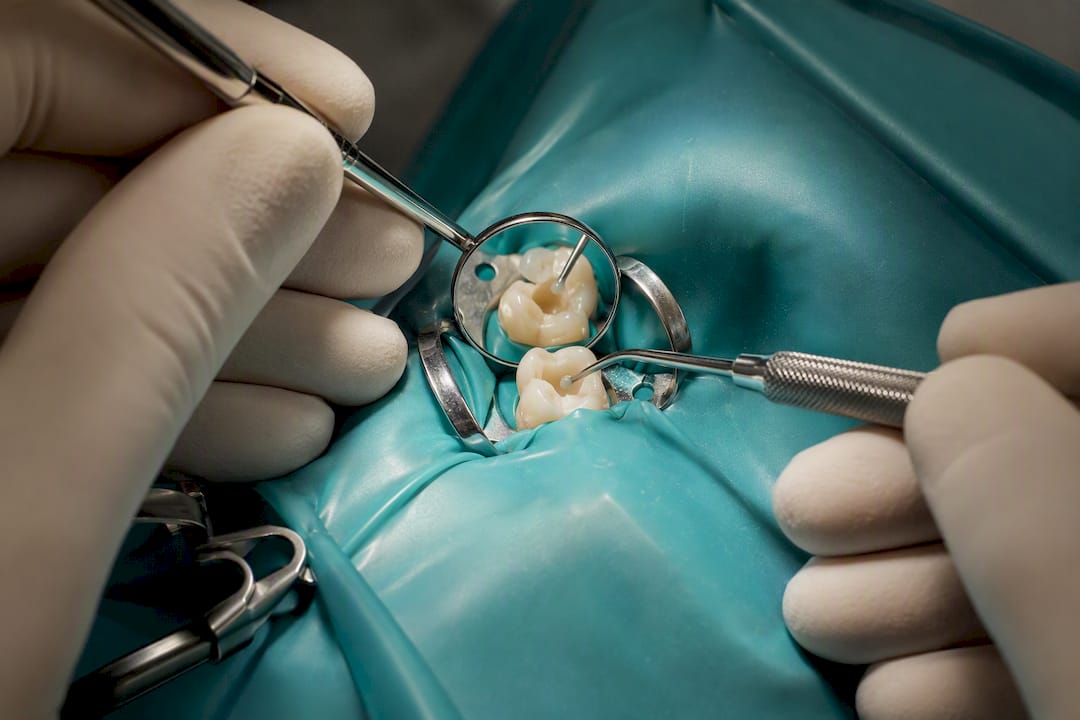
South Littleton Family Dental’s general dentistry visits include the exam and imaging needed to make this kind of evidence-based call, and same-day emergency evaluation is available for anyone dealing with sudden pain or a cracked restoration.
How Long Does Recovery Take After a Filling Is Replaced?
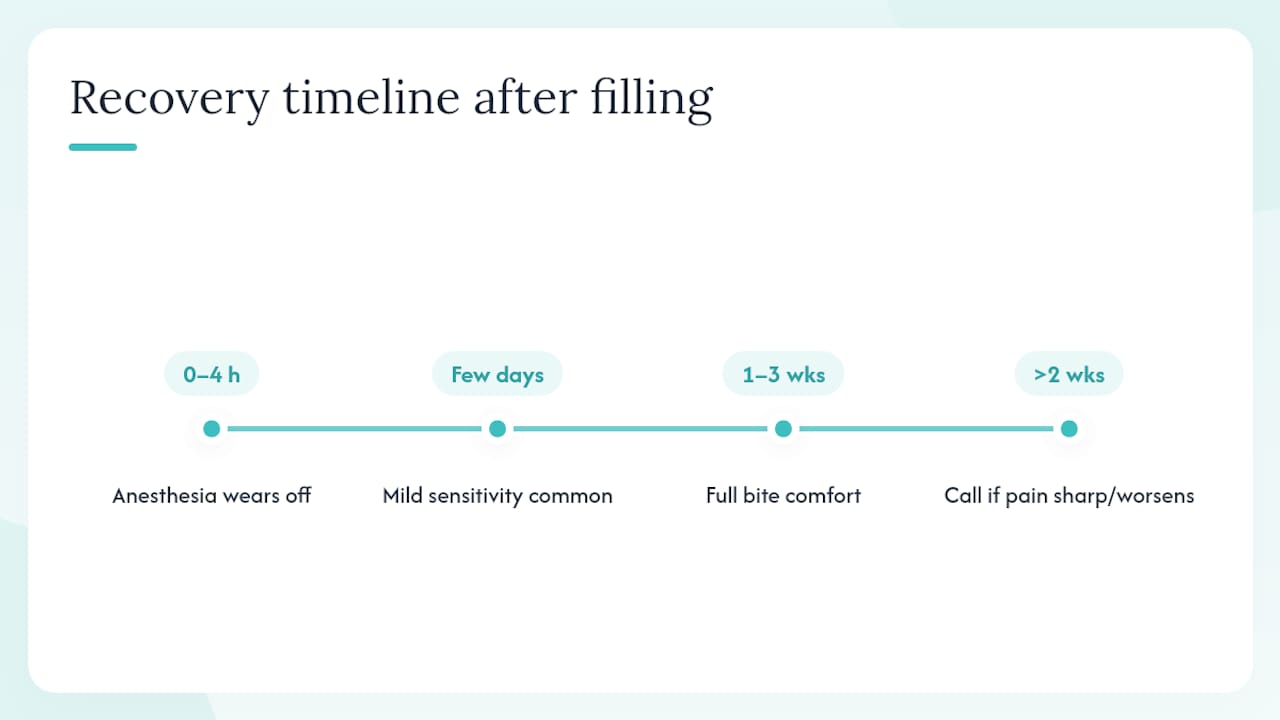
Most patients are back to normal activity the same day. The anesthesia wears off within two to four hours, and eating on that side is fine once feeling returns fully.
Mild sensitivity to hot, cold, or biting pressure is common for a few days to about two weeks, particularly with composite, since the bonding process and any lingering inflammation from decay removal both take time to settle. That sensitivity should ease steadily, not worsen. If it’s still sharp after two weeks, or if it intensifies rather than fades, that’s worth a call back to the office rather than waiting it out.
Crowns and onlays follow a slightly longer arc. If a temporary crown is placed while a permanent one is fabricated, expect a week or two of eating carefully on the opposite side and avoiding sticky foods that could dislodge the temporary. Same-day CAD/CAM crowns skip that waiting period entirely since the permanent restoration is milled and placed in a single visit.
Gum tissue around a new filling can feel tender for a few days, especially if the decay reached below the gumline and required more extensive removal. Warm salt water rinses help, and over-the-counter pain relievers handle most residual discomfort. Full bite comfort, meaning zero awareness of the new restoration during normal chewing, typically arrives within one to three weeks. If a bite feels high immediately after the appointment, call the office. That’s a five-minute adjustment, not something to just get used to.
What Does It Cost to Replace a Filling, and Will Insurance Cover It?
Replacement costs vary by material, tooth location, and how much decay needs to be removed before the new restoration goes in. Molars generally cost more to fill than front teeth because they carry heavier chewing loads and often need larger restorations. A filling that turns into an onlay or crown mid-procedure, because decay went deeper than expected, costs meaningfully more than a straightforward direct filling.
Dental insurance typically covers a substantial share of a medically necessary filling replacement, since it falls under basic restorative care rather than cosmetic treatment. Coverage usually hinges on documented decay, fracture, or failure, the same clinical evidence that justifies the replacement in the first place. Purely cosmetic requests, like swapping a sound amalgam filling for a tooth-colored one with no decay present, are far less likely to be covered and may come entirely out of pocket.
Ask your dental office for a written estimate before treatment, including what happens to the cost if the procedure escalates to an onlay or crown once your dentist can see the extent of the decay. Many practices, including South Littleton Family Dental, offer new-patient exam pricing that includes the imaging needed to get an accurate cost picture before any drilling starts, rather than guessing from a verbal description at checkout.
Keeping a New Filling Working for Years, Not Months
A new filling’s lifespan depends more on daily habits than on the material itself. Brushing twice daily with fluoride toothpaste and flossing around the restoration’s margins prevents the buildup that leads to secondary decay at the exact edge where new and old tooth structure meet.
Grinding or clenching puts outsized force on restorations, particularly composite, so a night guard is worth discussing if you wake up with jaw soreness or your dentist spots wear patterns during a checkup. Avoid using teeth as tools to open packaging or crack nuts. That habit cracks more fillings than any single food ever does.
Routine six-month checkups let your dentist catch marginal breakdown or new decay with an explorer and x-rays long before you’d feel it, which is exactly the diagnostic-first approach that keeps replacements rare rather than routine. Cutting back on constant snacking, particularly sticky or sugary foods that linger against a filling’s margin, does more for longevity than any product you could buy.
A Conservative, Evidence-Informed Take on Filling Replacement
Replace a filling when the evidence demands it, not when the calendar or its color does. Repair first when it’s a reasonable option, and talk through the trade-offs with a clinician who can actually see your x-rays.
— Admin
How South Littleton Family Dental Approaches Filling Replacement
If a filling has been bothering you, or you just haven’t had it checked in years, the diagnostic step matters more than guessing at what it needs. Every filling recommendation should be built around a current exam and x-rays first, so you know whether repair, replacement, or something more like a crown actually fits your situation before any drilling starts.

The practice’s restorative dentistry services cover everything from a straightforward composite replacement to crowns and onlays for teeth that have lost more structure. Anyone dealing with sudden pain, a cracked filling, or a possible infection can get seen through same-day emergency care rather than waiting weeks for an opening. New patients can start with the cleaning, exam, and x-ray package, which gives you the imaging needed for an honest recommendation at a predictable price. Schedule a visit through the South Littleton Family Dental website to get your existing fillings evaluated.
Sources
- FDA — Dental amalgam fillings
- Cochrane review — materials used for fillings (permanent back teeth)
- Decision criteria for replacement of fillings: a retrospective study
This article is general information, not a substitute for advice from a qualified doctor. Consult a qualified healthcare professional about your own circumstances before acting on anything here.
FAQ
Is it a good idea to replace old fillings?
Only when there’s diagnostic evidence of a problem, like new decay, a crack, or a lost seal. The FDA and ADA both advise against replacing sound, symptom-free fillings just because they’re old.
Is it safe to remove silver fillings and replace them with white fillings?
The procedure itself is routine and safe when a dentist performs it, but the FDA doesn’t recommend removing intact amalgam purely for cosmetic reasons or unproven mercury concerns. If you want a tooth-colored filling for appearance alone, that’s a personal choice to discuss with your dentist, not a medical necessity.
Does it hurt to get an old filling replaced?
You’ll be numbed with local anesthesia during the procedure, so there’s no pain while it’s happening. Mild sensitivity for a few days to two weeks afterward is normal, especially with composite fillings.
Are dentists moving away from silver fillings?
Composite has become more common for visible teeth because of its appearance and direct bonding to enamel, but amalgam remains a supported, FDA-approved option, particularly for molars that take heavy chewing force. The choice comes down to the specific tooth and patient preference rather than one material being phased out.