
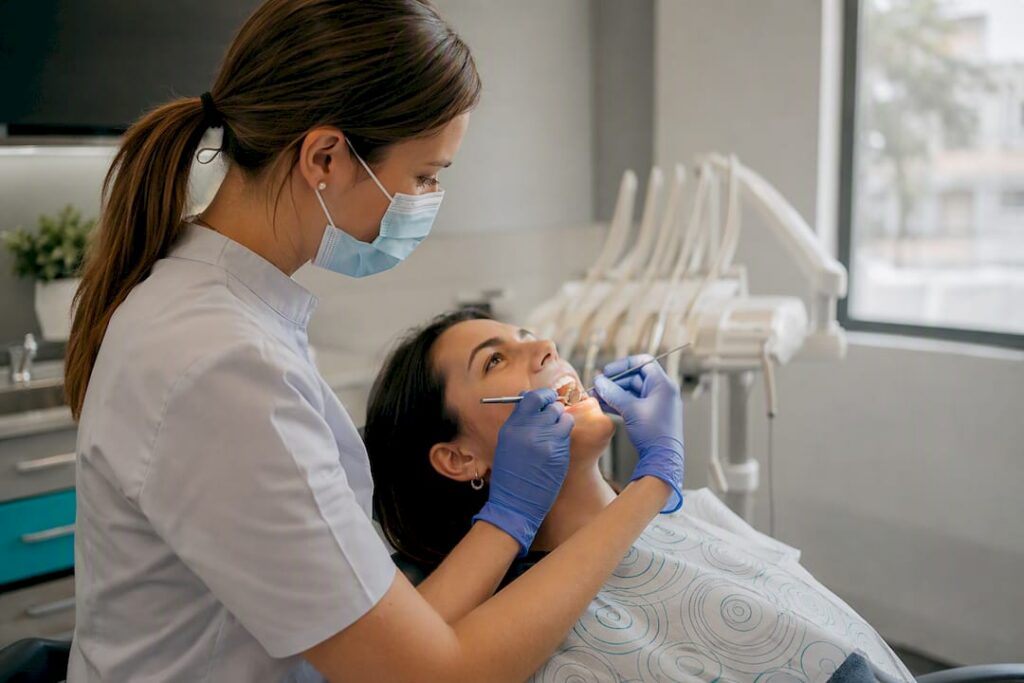
Mild tooth pain after a filling is normal and usually fades within a few days to two weeks; deeper fillings may take longer to settle without a fixed timeline. What matters is the pattern.
- Typical timeline: Sensitivity to cold, sweet, or biting pressure that gradually improves over 1 to 4 weeks
- Normal: Brief, triggered discomfort that fades within seconds after the stimulus is gone
- Call your dentist if: You have throbbing pain, swelling, fever, or discomfort lasting beyond 4 weeks
Try gentle home care first. If any red flag shows up, don’t wait it out.
Key Takeaways
Mild, provoked tooth sensitivity after a filling is normal for up to four weeks, but spontaneous throbbing pain, swelling, or fever call for prompt dental evaluation.
| Point | Details |
|---|---|
| Normal timeline | Sensitivity typically resolves in days to two weeks; deeper fillings may take up to four weeks. |
| Watch the pattern, not the day count | Provoked sensitivity that’s gradually improving is expected; spontaneous or worsening pain is not. |
| High bite is a quick fix | Pain when biting down often means the filling needs a fast in-office adjustment. |
| Home care helps most cases | Desensitizing toothpaste, a soft diet, and avoiding temperature extremes ease typical recovery. |
| Southlittletonfamilydental offers same-day checks | Bite adjustments and follow-up evaluations are available quickly, avoiding weeks of uncertainty. |
Table of Contents
- Is Tooth Pain After A Filling Normal, And What Happens First?
- Why Does My Tooth Hurt After A Filling?
- Provoked Vs. Spontaneous: What Kind Of Pain Do You Have?
- How Do You Manage Sensitivity At Home?
- When Should You Call Your Dentist About Filling Pain?
- How Can You Prevent Lingering Sensitivity Next Time?
- How We Handle Post-Filling Discomfort
- Get Same-Day Relief If Something Feels Off
- Frequently Asked Questions
- Sources
Is Tooth Pain After A Filling Normal, And What Happens First?
Yes, and here’s the play-by-play. In the first 24 hours, numbness from the anesthetic wears off and you might notice mild aching or tender gums around the injection site. That’s leftover irritation from the needle and the drilling, not a sign anything went wrong.
Over the next few days, you’ll likely notice sensitivity triggered by cold drinks, sweets, or biting down. This is called provoked sensitivity, and it should ease up gradually rather than get worse. Cleveland Clinic notes that mild soreness and sensitivity are common after a filling and typically resolve within a few days to two weeks.
- 0 to 24 hours: Numbness fades, gums may feel tender or bruised
- Days 2 to 7: Sensitivity to temperature and pressure, gradually improving
- 1 to 2 weeks: Most sensitivity resolves for shallow to moderate fillings
- Longer recovery: Deeper fillings near the nerve may need more time to quiet down
Pro Tip: If the pain is sharpest when you bite down and it started immediately after the appointment, that’s often a high spot on the filling, not nerve trouble. A bite adjustment fixes it in one short visit, usually with relief within 48 to 72 hours. Nerve irritation, by contrast, settles on its own over weeks, not days.
Why Does My Tooth Hurt After A Filling?
Several things can cause post-filling discomfort, and they don’t all carry the same urgency.
- Nerve irritation: Drilling generates heat and vibration close to the tooth’s nerve, especially with deep cavities, and the nerve needs time to calm down.
- Pulpitis: Inflammation of the pulp (the tooth’s nerve and blood supply) can follow a deep filling; reversible pulpitis improves, irreversible pulpitis usually needs a root canal.
- High or uneven bite: If the filling sits even slightly proud of your natural bite, it concentrates chewing force on one point, causing sharp pain when you bite down.
- Cracked tooth: A crack that predates or follows the filling can cause pain that comes and goes with pressure changes.
- Adhesive contraction: Composite (tooth-colored) fillings shrink slightly as they cure, which can pull at the tooth structure and trigger short-term sensitivity.
- Bruxism: Existing teeth grinding puts extra stress on a new filling before it’s had a chance to settle.
A filling that’s even fractionally high focuses all your bite force onto a single point every time you chew. Dentists use marking paper to find that exact spot, and adjusting it typically brings relief within a day or two.
The urgent causes are the ones that get worse, not better: spontaneous throbbing pain, swelling, or any sign of fever or spreading redness. Those point toward infection or advancing pulp damage and need prompt evaluation, not home remedies.
Provoked Vs. Spontaneous: What Kind Of Pain Do You Have?
Not all post-filling pain means the same thing, and telling the two types apart tells you what to do next.
Provoked sensitivity happens only when something triggers it: a cold drink, a sugary snack, or biting down. It’s sharp but brief, fading within seconds once the trigger is removed. This pattern is part of normal healing as the nerve settles.
Spontaneous pain shows up on its own, with nothing touching the tooth. It’s often described as throbbing, constant, or intense enough to wake you at night. This pattern can point to pulp inflammation that isn’t resolving on its own, according to guidance from the American Association of Endodontists.
- Brief cold or sweet sensitivity that fades fast → Continue home care and give it time
- Sharp pain only when biting → Likely a high spot; call for a quick adjustment
- Throbbing pain with no trigger, or pain that wakes you up → Contact your dentist promptly
- Sensitivity that’s clearly improving week over week → Normal healing, keep monitoring
Improvement over time is the real signal to watch. If things are getting better, even slowly, that’s reassuring. If the pain has stalled or is creeping upward, that’s the flag worth acting on.
How Do You Manage Sensitivity At Home?
Most provoked sensitivity responds well to simple, consistent care. Here’s the order to work through it:
- Switch to a soft-bristled toothbrush and brush gently around the treated tooth.
- Apply a desensitizing toothpaste to the area nightly rather than just brushing with it.
- Skip very hot, cold, or acidic foods and drinks for a week or two.
- Stick to a soft diet if chewing on that side hurts.
- Avoid biting directly on the filled tooth until sensitivity eases.
For pain relief, over-the-counter options like acetaminophen or ibuprofen can help take the edge off in the short term. Follow the dosing on the product label, or check with a pharmacist if you’re combining it with other medications.
- Desensitizing toothpaste and fluoride can help protect exposed dentin and calm nerve activity, per MouthHealthy from the American Dental Association
- A cold compress on the outside of your cheek can ease general soreness for the first day or two
- Chewing on the opposite side of your mouth takes pressure off the healing tooth
Pro Tip: Don’t just brush with desensitizing toothpaste and rinse it away. Dab a small amount directly onto the sensitive spot with a clean fingertip before bed and leave it in contact overnight. That extended exposure gives the active ingredients more time to block the tiny tubules in the dentin that carry sensation to the nerve.
When Should You Call Your Dentist About Filling Pain?
Some symptoms mean “keep an eye on it.” Others mean “call today.” Knowing the difference saves you from either an unnecessary trip or a delayed one.
Call today if you notice:
- Severe or worsening throbbing pain
- Visible swelling in your face or gums
- Fever or general feeling of illness
- Spreading redness around the treated area
- Pain that over-the-counter medication doesn’t touch
Schedule a visit soon if:
- Sensitivity hasn’t improved after 2 to 4 weeks
- Biting on that tooth still hurts consistently
- Sensitivity seems to be getting worse rather than better
Once you’re seen, treatment depends entirely on the cause:
- Bite adjustment — reshapes the filling if it’s sitting too high, often solving the problem in minutes.
- Filling replacement — addresses a filling that’s cracked, leaking, or improperly bonded.
- Pulp capping — protects an irritated nerve when the filling was placed close to it, giving it a chance to heal without further treatment.
- Root canal therapy — necessary when the pulp is irreversibly inflamed or infected; treatment pathway depends on how far the damage has progressed.
- Drainage plus antibiotics — used when an abscess has formed alongside the infection.
Persistent pain that doesn’t respond to over-the-counter medication, or pain that’s sharp and throbbing, is a clear signal to have an endodontist or dentist evaluate the tooth rather than waiting it out.
A same-day emergency visit typically starts with a quick exam and an X-ray to check the tooth and surrounding bone, followed by whatever gets you comfortable fastest, whether that’s a same-day adjustment, temporary relief, or a referral for further treatment.
How Can You Prevent Lingering Sensitivity Next Time?
A few habits reduce your odds of a repeat experience. Use fluoride toothpaste or a fluoride rinse to strengthen enamel and calm nerve activity, and skip aggressive scrubbing with a hard-bristled brush, since worn enamel and exposed dentin are major drivers of sensitivity.
- Treat known grinding or clenching with a night guard before your next filling
- Cut back on acidic foods and drinks that wear down enamel over time
- Keep up with routine cleanings and exams so small cavities get caught early
- Ask your dentist about bonding technique and pulp protection for deep fillings
Follow-up timing matters too. Give a bite adjustment 48 to 72 hours to prove itself. Give general sensitivity 2 to 4 weeks before you consider it a problem worth a recheck, and go in sooner if warning signs show up.
How We Handle Post-Filling Discomfort
Mild sensitivity after a filling is something we see constantly, and most of it resolves on its own with time and simple care. What we don’t do is make patients wait weeks to find out if something’s actually wrong. We offer same-day bite checks so a five-minute adjustment can replace two more weeks of discomfort, and we triage by symptom pattern, not by guesswork.
Get Same-Day Relief If Something Feels Off
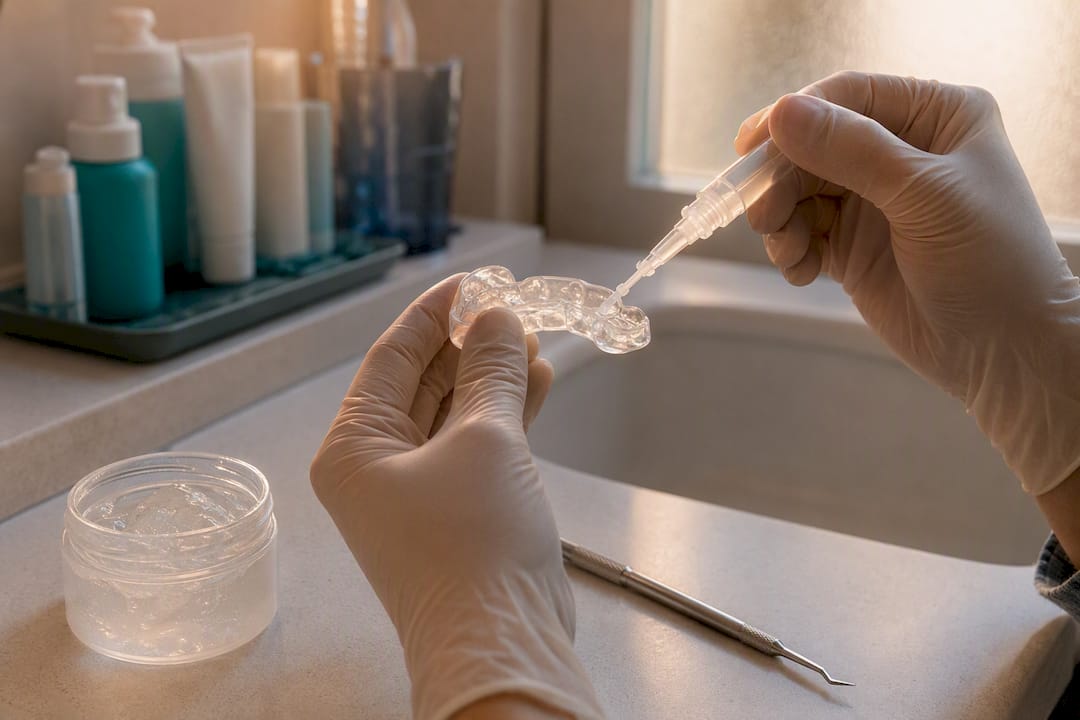
If your filling pain isn’t following the expected pattern, or if biting down still hurts after a few days, a quick check often solves it faster than waiting it out at home. Southlittletonfamilydental offers same-day appointments specifically for this kind of follow-up, so you’re not stuck guessing whether your discomfort is normal or not.

A typical same-day visit starts with a short exam and X-ray if needed, followed by whatever gets you comfortable right away, whether that’s a bite adjustment, a filling repair, or a referral for further care. If you’re dealing with swelling, fever, or pain that won’t quit, our emergency dental care page has details on getting seen quickly. For routine follow-ups or your next cleaning, our general dentistry services page covers what to expect. Call our Littleton office today to get on the schedule.
Frequently Asked Questions
How long should a filling hurt?
Most sensitivity fades within a few days to two weeks; deeper fillings near the nerve can take longer to fully settle.
Is tooth pain normal after a filling?
Yes, mild and brief sensitivity to cold, sweet foods, or biting pressure is a normal part of healing. Constant or worsening pain is not.
Why does my tooth hurt when I bite down after a filling?
This usually means the filling sits slightly too high on your bite. A short in-office adjustment typically resolves it fast.
What are signs of a dental filling complication that needs urgent care?
Throbbing pain with no trigger, swelling, fever, spreading redness, or pain unrelieved by over-the-counter medication all warrant a prompt call to your dentist.
Can sensitivity after a filling mean I need a root canal?
It can, though it’s not the most common outcome. Persistent spontaneous pain or pain that wakes you at night suggests the pulp may be inflamed and needs evaluation.
This article is general information, not a substitute for advice from a qualified doctor. Consult a qualified healthcare professional about your own circumstances before acting on anything here.
Sources
- Dental fillings – Cleveland Clinic
- Tooth Pain – American Association of Endodontists
- Sensitive teeth – MouthHealthy (American Dental Association)
- Sensitive teeth – Johns Hopkins Medicine