
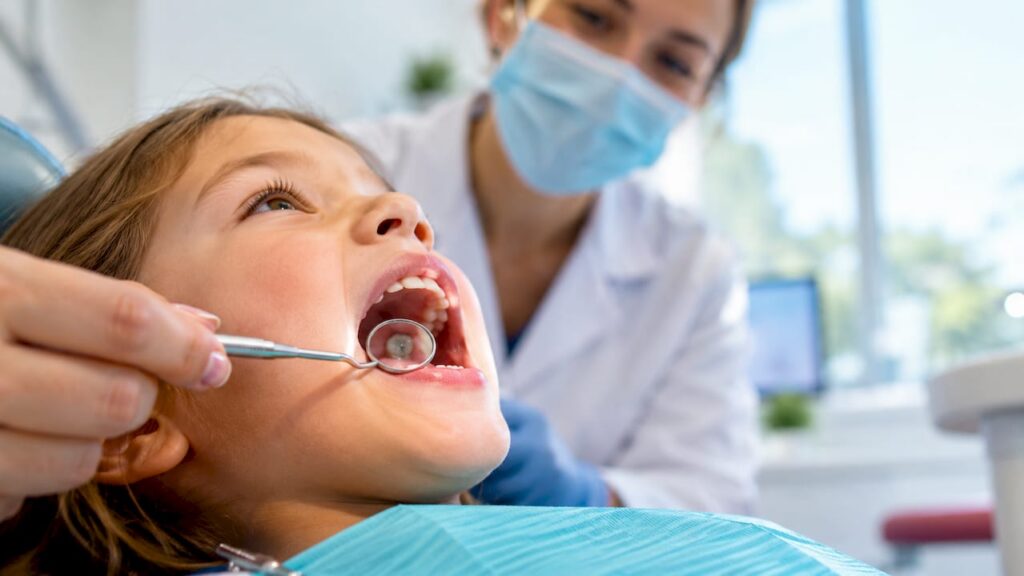
A tooth that turns gray after a hit most often points to internal bleeding or early pulp injury, not automatic tooth loss. Discolored teeth do carry a higher chance of pulp necrosis, but the standard response is professional evaluation and monitoring rather than immediate root canal treatment in most cases. Get urgent care if you see swelling, a gum pimple, worsening pain, or a loose tooth.
TL;DR:
- Discolored teeth after trauma often indicate internal bleeding or early pulp injury rather than immediate tooth loss, with gray shades sometimes signaling pulp degeneration.
- Dentists monitor traumatized teeth over several months with periodic exams and radiographs, as color changes can appear days or weeks after injury and may fade or worsen over time.
- Urgent dental care is necessary if swelling, gum pimple, severe pain, or looseness accompanies discoloration, signaling possible infection or more serious damage.
- Most discolored primary teeth do not require immediate root canal treatment unless there is clear evidence of infection or necrosis, with observation and follow-up as standard care.
- Trauma can affect underlying permanent teeth, especially in young children, necessitating ongoing follow-up until the unerupted tooth fully develops.
Table of Contents
- Why teeth turn gray after an injury
- How soon the color changes and how dentists track it
- Red flags that mean you shouldn’t wait
- Treatment choices from watchful waiting to root canal
- Effects on the permanent tooth still developing underneath
- What a visit to your dental office looks like
- A reassuring word for worried parents
- Get a same-day evaluation at South Littleton Family Dental
- Sources
- FAQ
Why teeth turn gray after an injury
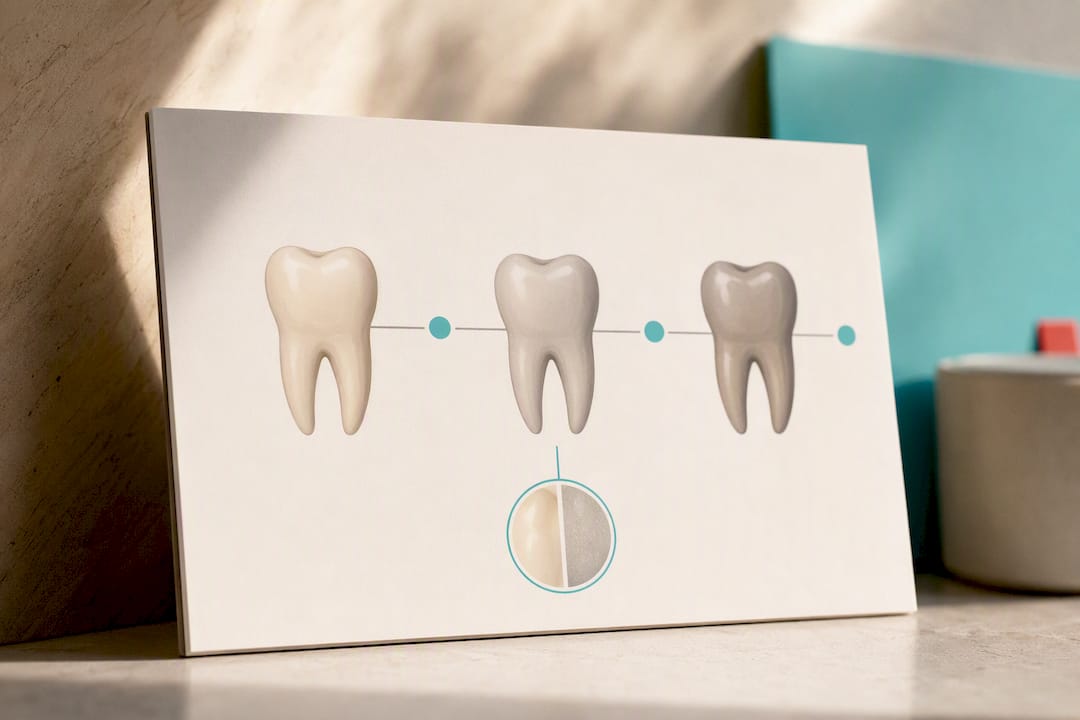
A blow to a tooth can tear small blood vessels inside the pulp, the soft tissue at the tooth’s core. Blood leaks into the dentin, and as hemoglobin breaks down, it leaves behind pigments that show through the enamel as gray, blue, or brown tones. The shade often hints at what’s happening inside, though it’s not a certain diagnosis on its own.
- A pink or reddish tint usually signals fresh bleeding shortly after the hit.
- A yellowish tinge can suggest the pulp is laying down extra dentin as it heals.
- A gray or grayish-black tone often means blood pigments have settled in, and it may or may not mean the pulp is dying.
A retrospective cohort study following traumatized primary teeth found that a significant proportion developed crown discoloration, and those discolored teeth carried a substantially increased risk of pulp necrosis compared with teeth that stayed their normal color. A separate systematic review and meta-analysis backs up the link between discoloration and necrosis, while cautioning that diagnostic criteria vary across studies, so color change is a warning sign to watch, not a verdict.
How soon the color changes and how dentists track it
Discoloration can show up within days of the injury or take a few weeks to become noticeable. Some of it fades over the following weeks or months as the blood pigments break down further and clear, while a shade that stays dark gray tends to correlate more with pulp degeneration than with a passing bruise.
Dentists generally follow a set schedule to watch a discolored tooth rather than reacting to color alone:
- A baseline exam right after the injury, including a clinical check and radiographs to rule out fracture or displacement.
- Sensibility testing and repeat radiographs at roughly three-month intervals, since pulp tests can be unreliable for several weeks after trauma and need to be repeated over time, according to AAE trauma guidelines.
- Continued monitoring for up to a year, watching for radiographic signs of infection such as bone changes around the root.
Red flags that mean you shouldn’t wait
Color change by itself rarely needs same-day treatment, but a handful of symptoms mean you should call a dentist right away instead of waiting for the next scheduled visit.
- Swelling in the gum, cheek, or face near the injured tooth.
- A small pimple-like bump on the gum, which can signal a draining infection.
- Pain that is severe, worsening, or waking your child up at night.
- A tooth that feels loose, sits higher or lower than its neighbors, or was knocked out entirely.
At an emergency visit, expect radiographs, a clinical exam, and tests to check how the tooth is responding. If a tooth was pushed out of position, the dentist may reposition or splint it, and pain control is addressed at the same visit.
Pro Tip: Take a clear photo of the tooth the day it changes color, then compare it at each follow-up so subtle shifts don’t get missed.
Treatment choices from watchful waiting to root canal
Guideline-based care starts with observation when there’s no clinical or radiographic sign of infection. The AAPD’s guidance on acute dental trauma is direct on this point: root canal treatment isn’t indicated for a discolored primary tooth unless there’s actual evidence of infection, and jumping straight to extraction or root canal on color alone is a common and avoidable mistake, since keeping the primary tooth in place helps protect the permanent tooth developing underneath it.
- Observation with scheduled recalls when the tooth tests normally and radiographs look clean.
- A pulpotomy or pulpectomy for primary teeth when the pulp is infected or exposed, aiming to remove diseased tissue while keeping the tooth in the socket.
- Root canal therapy for permanent teeth once necrosis is confirmed, though immature roots may first be managed with revascularization or apexification approaches that give the root more time to develop, per AAE guidance.
- Extraction when a tooth is too damaged or infected to restore, which is a discussion best had with a dentist rather than assumed from appearance.
For a tooth that stays discolored after treatment or once the injury has fully healed, options like internal bleaching, composite bonding, or veneers can address the appearance, with timing depending on how the endodontic treatment settled.
Effects on the permanent tooth still developing underneath
Trauma to a baby tooth can reach the permanent tooth bud sitting just beneath it, and a systematic review found this can lead to enamel discoloration or hypoplasia depending on how far along that permanent tooth was developing at the time of injury.
- Intrusion injuries, where the tooth gets pushed up into the gum, carry the highest risk to the tooth developing below.
- Younger children tend to face more risk, since the permanent bud sits closer to an earlier, more vulnerable stage of formation.
- Expect follow-up checks to continue until the permanent tooth actually erupts, and keep photos of any visible changes to share with the dentist.
What a visit to your dental office looks like
A first appointment after trauma typically includes a history of how the injury happened, photos, radiographs, and sensibility testing, followed by a monitoring or treatment plan explained in plain terms.
- Same-day emergency exams are available for injuries that need same-day answers rather than a wait.
- Bring the timing of the injury, any recent photos, and insurance details to speed up the visit.
- Costs and next steps are explained clearly before any treatment begins, so there are no surprises.
A reassuring word for worried parents
Seeing a tooth turn gray overnight is unsettling, but color change alone rarely means the tooth has to come out. What it does mean is that the tooth deserves a prompt look, a documented photo, and a spot on the recall schedule so a dentist can catch real problems early. If swelling, pain, or looseness shows up, treat that as your signal to get emergency care right away.
— Admin
Get a same-day evaluation at South Littleton Family Dental
A gray tooth doesn’t have to sit on a waiting list while you wonder what’s happening underneath. Dental practices may offer same-day emergency exams alongside individualized monitoring plans, so a discolored tooth gets a clear answer instead of guesswork about whether it needs watching or treating.

- Call to book a same-day emergency exam if you notice swelling, pain, or a loose tooth.
- Bring photos of the injury and the discoloration along with your insurance information.
- Ask about the recall schedule and, once healing is confirmed, esthetic options like internal bleaching for a discolored tooth.
Visit our general dentistry page to see how ongoing checkups fit into your family’s care plan.
Sources
- Incidence and prognosis of crown discoloration in traumatized primary teeth: A retrospective cohort study
- Clinical guideline on management of acute dental trauma (AAPD)
- Systematic review: Trauma in primary dentition and effects on permanent dentition
- AAE Recommended Guidelines for the Treatment of Traumatic Dental Injuries
- Pulp necrosis and crown discoloration: a systematic review and meta-analysis
FAQ
Can tooth discoloration be reversed after trauma?
Some discoloration fades on its own over weeks or months as blood pigments in the pulp break down and clear. Persistent gray shades are less likely to fade fully, and a dentist may later suggest internal bleaching or bonding to improve the tooth’s appearance.
Can a gray tooth heal itself?
Mild bleeding inside the pulp can settle down without treatment, and the color may lighten as the tooth recovers. A tooth that stays dark gray for an extended period is more likely tied to pulp necrosis, which needs a professional exam rather than time alone to resolve.
How do I treat a tooth after dental trauma?
Initial steps include rinsing gently, controlling any bleeding, and repositioning a displaced tooth if you can do so without force, then getting a dental exam as soon as possible. From there, treatment ranges from monitoring with periodic radiographs to a pulpotomy, pulpectomy, or root canal therapy depending on what the exam finds.
Why is my tooth numb after an impact?
Numbness or altered sensation after a hit usually points to nerve or pulp involvement, and sensibility tests can be unreliable for several weeks following the injury. A dentist will typically repeat these tests over time alongside radiographs rather than relying on a single visit to judge whether the pulp has been damaged.